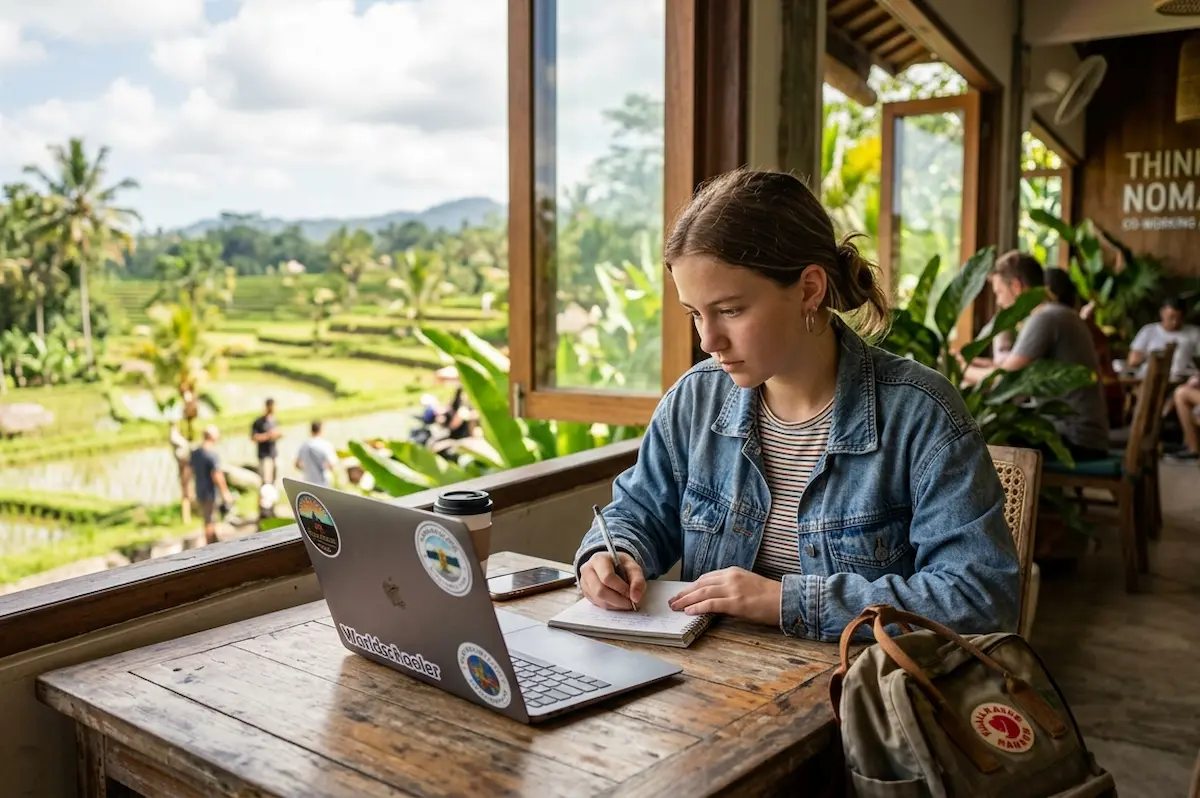
For digital nomad families, the world is the classroom. But while global travel offers unparalleled life lessons, the lack of a traditional structure can sometimes exacerbate common teen issues. Whether your teenager is enrolled in an online academy, home schooling, or attending international schools, their academic success is deeply tied to their emotional and social stability.
When a teen’s grades slip or their motivation vanishes, it isn’t just about the curriculum—it’s about how they are navigating the complexities of a nomadic lifestyle.
The Unique Pressures of Nomadic Adolescence
While traditional students deal with local peer pressure, nomadic teens face “transit stress.” Moving between time zones and cultures can impact school performance in specific ways:
- Social Fragmentation: Constant movement makes maintaining deep friendships difficult. The reliance on digital social life can lead to isolation or an over-dependence on social media, distracting them from their studies.
- Lack of Routine: Without the physical “bell schedule” of a brick-and-mortar school, many teens struggle with self-regulation and time management.
- Cultural Fatigue: The mental energy required to adapt to a new country can leave little “bandwidth” for complex subjects like advanced math or literature.
Strategies for the Global Student
1. Architecting a “Portable” Routine
Consistency is the antidote to the chaos of travel. Even if your “home” changes every three months, the structure of the day should stay the same.
- The Dedicated Zone: Whether it’s a specific corner of a coliving space or a foldable desk setup in an Airbnb, your teen needs a “sacred” workspace that signals to the brain: it is time to work.
- The 8-10 Hour Rule: Travel-induced jet lag is a grade-killer. Prioritize a consistent sleep cycle, as cognitive function and memory retention are the first things to go when a teen is underslept.
2. Managing Mental Health Across Borders
Research indicates that 1 in 5 teens deals with a diagnosable mental health condition. For nomadic teens, anxiety often manifests as a fear of the future or “FOMO” regarding their peers back home.
- Physical Endorphins: Use your location! Whether it’s surfing in Bali or hiking in the Alps, physical activity is a natural antidepressant that clears the “brain fog” affecting their schoolwork.
- Teletherapy: Ensure your teen has access to consistent mental health support that isn’t tied to a physical location. Online counseling is a must-have tool for the modern nomad family.
3. Communication: The “Check-In” Ritual
In a nomad family, the lines between “parent” and “travel companion” can get blurry. It is vital to maintain a professional interest in their education.
- Active Listening: Instead of asking “Did you finish your modules?”, try “What was the most frustrating part of your assignments today?”
- Validation: Acknowledge that doing school while traveling is harder than doing it in a fixed location. Validating their effort builds the resilience needed to push through difficult units.
Building Your Global Support Team
You don’t have to be the teacher, the principal, and the counselor all at once. Even on the road, you can build a support network:
| Action | Nomad Benefit |
| Liaise with Online Teachers | Ensures the school knows your current time zone and travel constraints. |
| Join Worldschooling Hubs | Provides your teen with “temporary” peers to study with in person. |
| Utilize Local Tutors | Hiring a local language or math tutor provides a fresh perspective and community connection. |
Conclusion
Academic struggles on the road are rarely just about the books—they are about the balance between the adventure of travel and the need for stability. By spotting the warning signs of “travel burnout” early and providing a structured, supportive environment, you can ensure your teen doesn’t just see the world, but thrives within it.
Success for a nomad teen isn’t just about the GPA; it’s about learning how to manage their mind and their time, no matter where in the world they wake up.

Lived in England since 1998 and travelled the world since 2005, visiting over 100 countries on 5 continents. Writer, blogger, photographer with a passion for adventure and travel, discovering those off beat places not yet on the tourist trail. Marco contributes the very best in independent travel tips and lifestyle articles.
