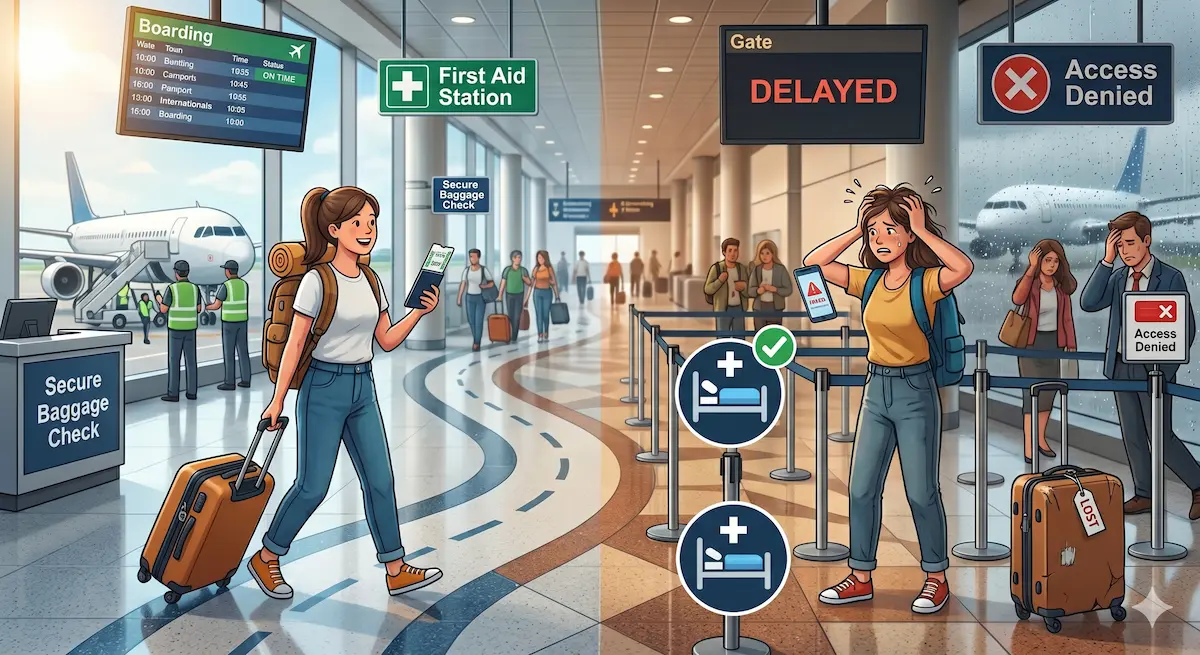
Buying holiday cover is easy, but cover that actually helps when something goes wrong is the real job. When you compare plans for travel insurance online, the cheapest quote can look like a win, until you notice the cover limits are low, the exclusions are broad, or the claims process is a maze.
Let’s break down what to check so the “cheap” plan you choose still does its job when you need it.
Why Cheapest is Not Always Best for Holiday Cover
Holiday insurance is a promise, not a product you can test in advance. The value shows up only when you face a medical emergency abroad, a flight disruption, lost baggage, or a passport issue.
- Choose the cheapest plan that still covers your essentials.
- Match cover to your trip, health needs, and risks.
- Focus on value, not just the lowest price.
What to Compare When You Check Quotes Online
Here you will explore what to compare when you check quotes online:
Medical Cover and Emergency Support
Medical care can be expensive, and even a short hospital visit can become stressful without proper support and this is also important to read my post Important Things To Consider When Traveling To Asia. When you buy travel insurance online, check that the policy focuses on emergency medical treatment and offers on-ground assistance.
Look for:
- Hospitalisation and emergency treatment cover that is meaningful for your destination
- Emergency evacuation and repatriation support
- Access to a support team that can guide you during emergencies
Trip Disruptions That Actually Happen
Flight delays, missed connections, and cancellations are common travel headaches. Some policies include these benefits, but the conditions can be strict.
Compare:
- Trip cancellation or curtailment cover
- Missed departure or missed connection support
- Delay benefits, including what triggers them and what proof is required
Baggage, Passport, and Personal Belongings
Baggage cover is often where “cheap” plans quietly cut corners. It is also where travellers notice the gaps first.
Check for:
- Loss, theft, or delay of checked-in baggage
- Support for lost passport and emergency documentation
- Reasonable terms around valuables and electronics
Excess, Sub-Limits, and Fine Print Traps
Two plans can look similar until you open the details. Sub-limits can reduce payouts for specific items, and excess means you pay a portion yourself.
Pay attention to:
- Excess or deductible amounts
- Sub-limits on medical, baggage, or specific treatments
- Waiting periods or reporting timelines for claims
How to Compare Quotes Without Getting Tricked By Price Filters
The best comparisons are “like for like.” If you compare a comprehensive plan with a bare-bones one, the cheaper quote is not a bargain; it is a different product.
Use this approach:
- Match the trip details exactly: destination, travel dates, and traveller ages
- Declare medical history honestly, because non-disclosure can derail claims
- Keep the core benefits constant while comparing prices, especially medical and evacuation costs
- Read the exclusions section for common deal-breakers, such as risky activities, alcohol-related incidents, or unattended baggage clauses
- Check how claims work: required documents, reporting timelines, and whether support is available while travelling.
Smart Ways to Lower Premium Without Losing Real Coverage
You can often reduce costs without stripping essentials, especially when buying travel insurance online.
Consider:
- Choosing the right trip duration instead of over-insuring dates
- Picking only add-ons you genuinely need, such as adventure sports, if applicable
- Opting for a higher deductible only if you can comfortably manage that amount
- Using a family plan when travelling together, if available and suitable
- Buying early, so trip cancellation protection is meaningful for your booking window
A Simple Decision Rule Before You Pay
Before you check out, shortlist a few plans that meet your non-negotiables: strong emergency medical cover, evacuation support, and realistic trip disruption benefits. From that shortlist, choose the lowest premium option with clear terms and a claims process that feels straightforward.
- Don’t chase the cheapest quote just to feel smart.
- Come home relaxed, knowing your cover has your back.
- Pick insurance that responds when travel plans go sideways.
Conclusion
The cheapest quote only feels like a win until you actually need help. A good policy is one you can rely on for medical emergencies, delays, lost baggage, or passport issues without nasty surprises in the fine print. Compare plans like-for-like, prioritise essentials, and then choose the best-value option. When you travel, that quiet confidence is worth far more than saving a little upfront.

Lived in England since 1998 and travelled the world since 2005, visiting over 100 countries on 5 continents. Writer, blogger, photographer with a passion for adventure and travel, discovering those off beat places not yet on the tourist trail. Marco contributes the very best in independent travel tips and lifestyle articles.
