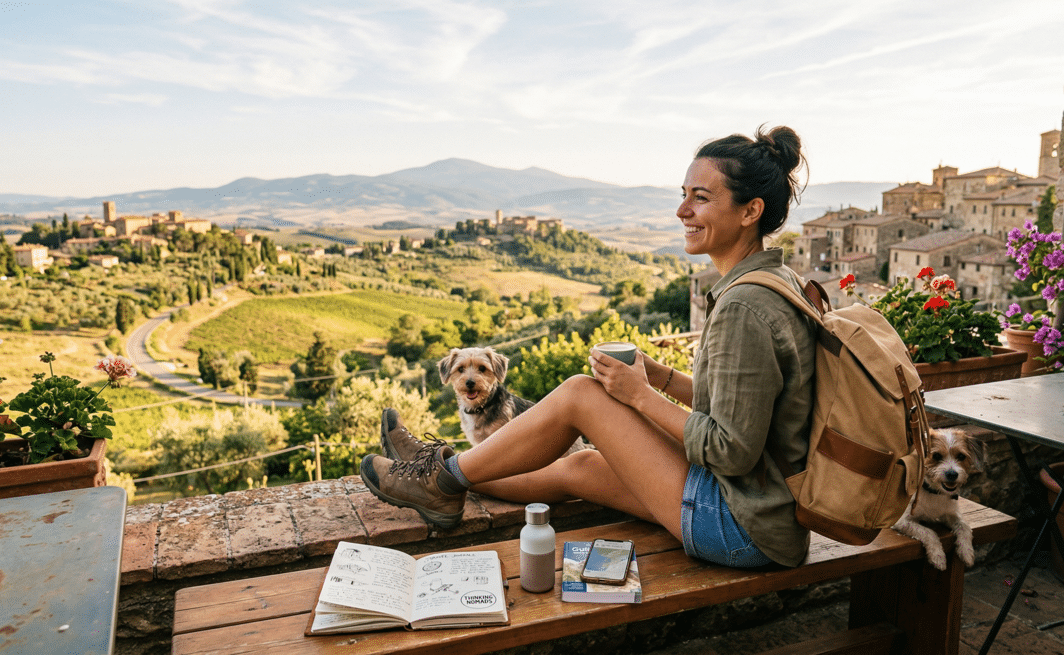
Planning a slow adventure that suits families, couples, and solo travelers often feels like trying to fit square pegs into round holes. You want a trip that lets everyone enjoy their own pace without losing the magic of discovery. With over 20 years of travel insight, we’ve crafted a clear framework using anchor activities and open time that balances togetherness and freedom. Keep reading to learn how to design a flexible slow adventure itinerary that feels like one seamless journey for all.
Crafting a Flexible Slow Adventure
A slow adventure itinerary can bring everyone together while allowing each traveler to enjoy the journey in their own way. Let’s dive into how this thoughtful approach can enhance your travel experience.
Understanding Slow Adventure Itineraries
A slow adventure is all about pacing. It’s a style of travel where you savor each moment rather than rush through the sights. This type of travel encourages you to connect with the destination, its culture, and its people in a more meaningful way. It’s about creating an itinerary that balances structured activities with plenty of free time to explore. Read my article Solo Traveling in New Zealand 2026 or Solo Travel in Italy to have an idea of what I’m talking about.
Incorporating Anchor Activities
Anchor activities are essential to any successful slow adventure. These are the must-do experiences that ground your trip, giving it structure and purpose. Whether it’s a guided hike through a scenic trail or a cooking class with a local chef, these activities are the highlights around which you can build your itinerary. They provide shared moments for families, couples, and solo travelers alike.
Balancing Open Time Travel Planning
Open time is the secret ingredient to a flexible itinerary. It allows you to follow your interests, discover hidden gems, and take unexpected detours. This freedom is what makes a slow adventure truly unique. By balancing anchor activities with open time, you create space for spontaneity and discovery, ensuring your travel experience is both enriching and relaxed.
Designing for Different Traveler Types
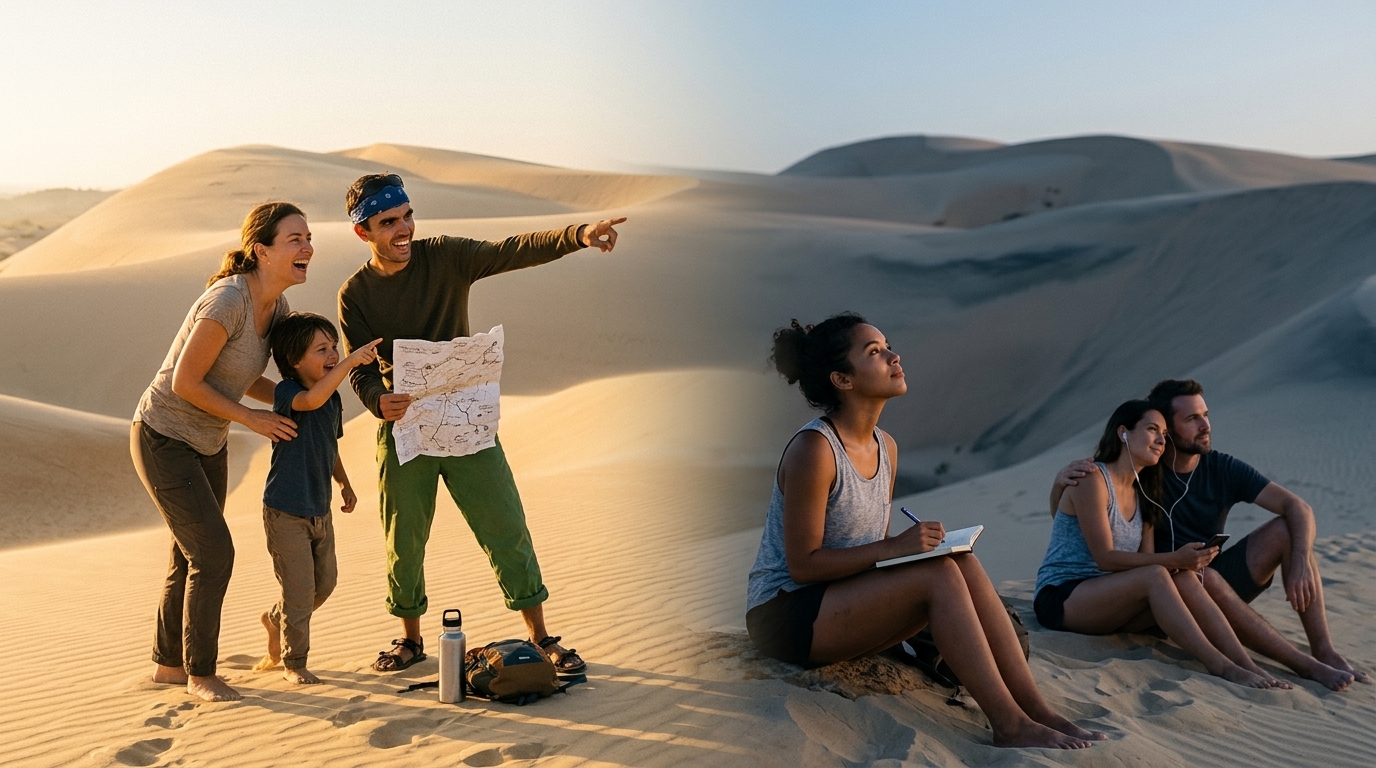
Every traveler has unique needs and preferences. Here’s how to design a slow adventure that works for families, couples, and solo explorers.
Family Adventure Travel Essentials
Family adventures require a bit of extra planning to accommodate different ages and interests. Start with a few anchor activities that everyone can enjoy, like a visit to a local festival or a day at the beach. These shared experiences create lasting memories and ensure everyone feels included. Additionally, incorporate downtime so kids can recharge and parents can enjoy some relaxation.
Couple Getaway Ideas for Romance
Couples seeking a romantic getaway can benefit from a slow adventure itinerary. Begin with activities that allow for connection, such as a sunset cruise or a private wine tasting. These intimate moments will strengthen your bond and create cherished memories. Balance these with open time to explore charming streets and discover cozy cafes.
Solo Travel Tips for Independence
For solo travelers, slow adventures offer the perfect blend of structure and freedom. Choose a few anchor activities that align with your interests, such as a guided tour or a cultural workshop. These provide opportunities to meet fellow travelers and learn more about the destination. With ample open time, you can explore at your own pace and follow your curiosity wherever it leads.
Bringing Your Slow Adventure to Life
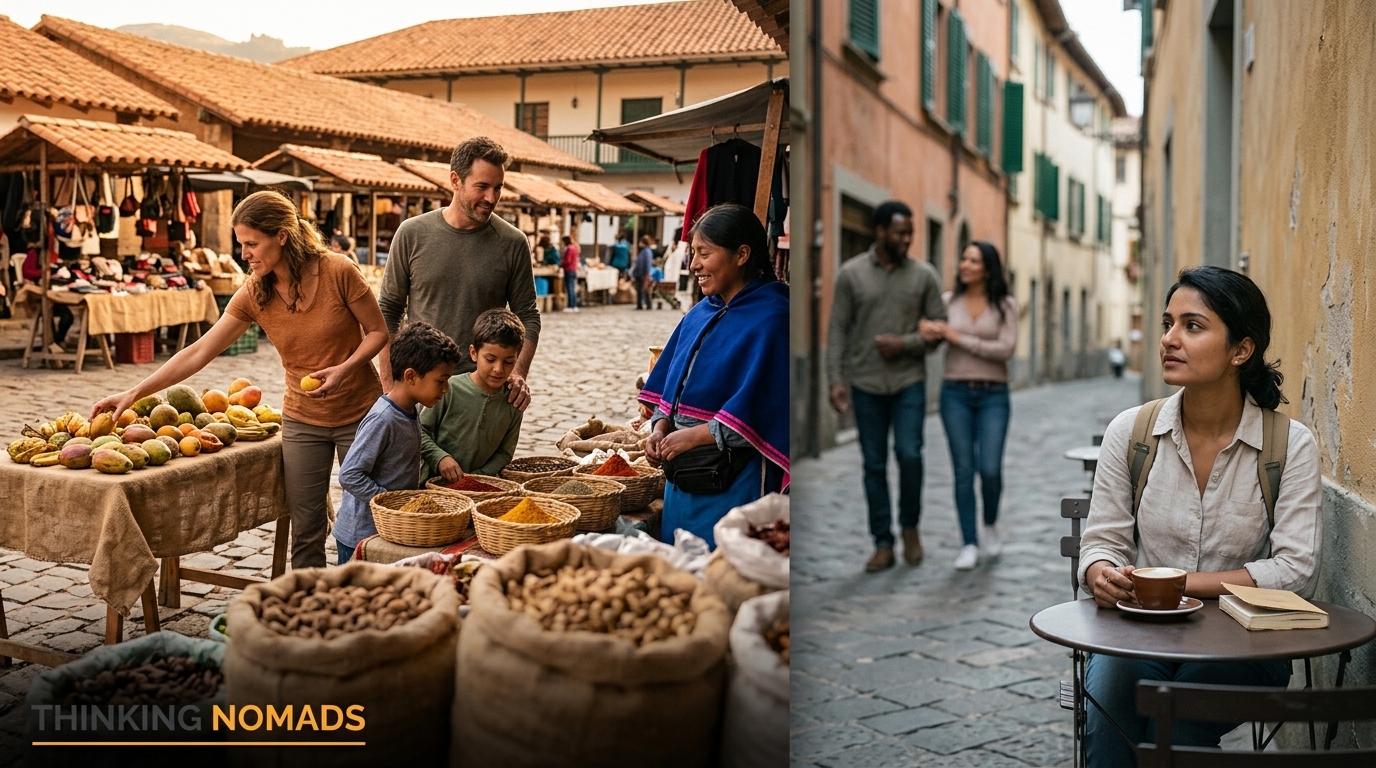
Now that you’ve crafted your itinerary, it’s time to bring your slow adventure to life. Here are some tips to ensure a memorable journey.
Pacing Your Trip for Enjoyment
The key to a successful slow adventure is pacing. Avoid cramming too much into your itinerary, as this can lead to burnout. Instead, focus on a few meaningful experiences each day and leave room for rest and reflection. This approach allows you to fully appreciate each moment and create deeper connections with the places you visit.
Remote Work Friendly Travel Strategies
For digital nomads, combining work and travel requires careful planning. Opt for destinations with reliable internet access and comfortable workspaces. Schedule your work hours around anchor activities and open time, so you can maintain productivity while enjoying your adventure. This balance ensures you make the most of your travel experience without compromising your responsibilities.
Authentic Travel Storytelling and Collaboration Opportunities
Sharing your travel experiences can inspire others and create lasting memories. Consider documenting your journey through a blog, social media, or a video diary. Collaborate with local guides and fellow travelers to gain new perspectives and enrich your storytelling. This not only enhances your own experience but also creates a valuable resource for other travelers.
Frequently Asked Questions
What is a slow travel itinerary?
A slow travel itinerary focuses on savoring each moment of your journey, allowing for deeper connections with your destination. It balances structured activities with open time, providing a flexible and enriching travel experience.
How can I balance travel planning for different traveler types?
To balance travel planning for families, couples, and solo travelers, incorporate anchor activities that appeal to all, while leaving open time for individual exploration. This ensures everyone enjoys their own pace and interests.
What are anchor activities, and why are they important?
Anchor activities are key experiences that ground your trip, providing structure and purpose. They create shared moments and ensure that your travel itinerary remains cohesive and memorable.
How can remote workers enjoy slow travel?
Remote workers can enjoy slow travel by selecting destinations with reliable internet and comfortable workspaces. Plan work hours around anchor activities and open time to maintain productivity while embracing the adventure.
Why is pacing important in a slow adventure?
Pacing is crucial to avoid burnout and ensure you enjoy each moment. By focusing on a few meaningful experiences each day and allowing for rest, you can create deeper connections with the places you visit.

Lived in England since 1998 and travelled the world since 2005, visiting over 100 countries on 5 continents. Writer, blogger, photographer with a passion for adventure and travel, discovering those off beat places not yet on the tourist trail. Marco contributes the very best in independent travel tips and lifestyle articles.
