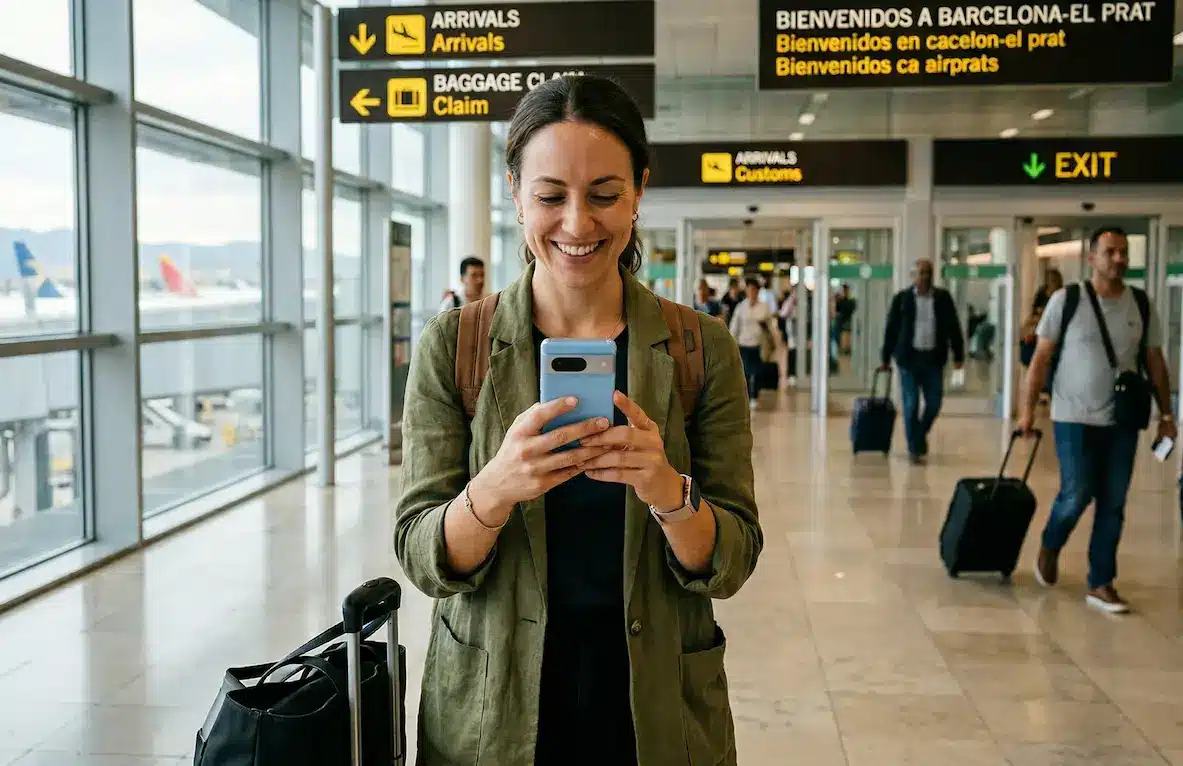
There’s a moment after landing in a new country that feels the same almost everywhere: you step out of the airport, phone in hand, trying to get your bearings—maybe checking directions, messaging your host, or figuring out how to get into the city. And then it hits you: no connection.
For a long time, staying connected meant finding a local SIM card as quickly as possible. But these days, I’ve moved away from that routine entirely. I now use an eSIM for all my travels; it is consistently the easier and cheaper way to stay connected. Instead of hunting for kiosks or overpaying for roaming, I can manage everything digitally. Also tools like eSIM Plus virtual number service are making it possible to stay connected from the moment you land, without swapping SIM cards or relying on your personal number for everything. It’s not a complicated change—but it’s one that makes travel feel noticeably easier.
Why the Old Way Doesn’t Always Work Anymore
If you’ve traveled across more than one country, you’ve probably experienced some version of this. You land, you’re tired, and instead of heading straight to where you need to be, you’re dealing with connectivity. Should you buy a SIM at the airport? Wait until you reach the city? Turn on roaming and deal with the cost later?
None of these options are wrong, but they come with trade-offs. Airport SIM cards can be expensive, local stores aren’t always easy to find, and roaming charges can add up faster than expected. For short trips, it’s manageable. But for longer travel—or moving between countries—it quickly becomes inconvenient. It also adds unnecessary friction at the start of a trip, when most people just want a smooth arrival and a quick transition into their plans.
eSIM: One Less Thing to Worry About
This is where eSIM starts to make a real difference. Instead of dealing with physical SIM cards, you can activate a mobile plan digitally before you even leave. By the time you land, your phone is already connected. No searching, no waiting, no setup at the airport.
It’s one of those things you don’t fully appreciate until you experience it. Being able to open maps, book a ride, or message someone right away removes a layer of stress—especially after a long journey.
For travelers visiting multiple destinations, it’s even more useful. Many eSIM plans cover entire regions, so you can move between countries without needing to change anything. This continuity becomes especially valuable on multi-city trips, where stopping to fix connectivity every few days can quickly become frustrating.
Why a Separate Number Makes Travel Easier
Data is one part of staying connected, but communication is just as important. While traveling, you end up sharing your phone number more than you might expect—booking tours, confirming reservations, contacting drivers, or even messaging new people along the way.
Using your personal number for all of this can get messy. Messages pile up, and you’re left with contacts you don’t really need once the trip is over. That’s where virtual numbers come in. With a setup like this, you can use a separate number for travel-related communication. It keeps things organized and gives you a bit more control over who can reach you.
When the trip ends, you’re not carrying all those interactions with you. It also reduces the chances of receiving follow-up messages or promotional content long after you’ve left a destination.
Why Using Both Just Works
On their own, eSIM and virtual numbers are useful. Together, they create a setup that fits naturally into how people travel today. eSIM handles your connection—keeping you online wherever you go. A virtual number handles communication—letting you decide how and when you’re contacted.
For many travelers, it ends up looking something like this:
- Your main number stays private
- A temporary number is used for bookings and local contacts
- Your data works across destinations without interruption
It’s simple, but it removes a lot of small inconveniences that used to be part of traveling. More importantly, it allows you to stay flexible, which is often the key to enjoying travel without unnecessary stress.
Situations Where You’ll Notice the Difference
You don’t really think about connectivity when everything works. But when it doesn’t, it can slow you down quickly.
Arriving Somewhere New
Being able to connect instantly means you can focus on getting where you need to go, instead of searching for Wi-Fi or a SIM card.
Making Last-Minute Plans
Whether it’s booking a local experience or confirming a reservation, having a separate number keeps things easy and organized.
Working While Traveling
For remote workers, having a dedicated number for clients helps keep communication clear without mixing it into personal messages.
Moving Between Countries
Instead of resetting your setup each time, everything continues to work as you go. This is especially helpful for longer trips where consistency matters more than anything else—for example, if you are heading deep into the wilderness, check out this Pantanal Brazil Travel Guide to see why having your logistics sorted before you land is a total game-changer.
A Few Things to Check Before You Travel
While this setup is straightforward, there are a couple of things worth checking in advance.
Make sure your phone supports eSIM, as not all older devices do. For instance, I found out the hard way with the Xiaomi 14 Ultra Pro—despite being a powerhouse of a phone, it didn’t include the eSIM option. It was frustrating enough that I actually upgraded my handset specifically to ensure I had eSIM access for my travels. Before you commit to a plan, double-check your settings to ensure your device is ready.
A More Flexible Way to Travel
Travel rarely goes exactly as planned. Flights change, routes shift, and sometimes the best experiences come from last-minute decisions. Having a flexible way to stay connected makes a difference in those moments. You’re not tied to a single setup, and you don’t have to keep adjusting things as you move. Instead, your connection just works in the background, which is exactly how it should be. That reliability gives you more freedom to focus on the experience rather than the logistics.
Final Thoughts
There’s no single “right” way to stay connected while traveling. For some, buying a local SIM card in each country still works perfectly fine. But for those who travel often like myself—or simply want a smoother experience—using eSIM alongside a virtual phone number is an easy upgrade. It’s not about adding more tools. It’s about removing unnecessary steps. And once you get used to landing in a new place and being instantly connected, without queues or confusion, it quickly becomes part of how you travel.

Lived in England since 1998 and travelled the world since 2005, visiting over 100 countries on 5 continents. Writer, blogger, photographer with a passion for adventure and travel, discovering those off beat places not yet on the tourist trail. Marco contributes the very best in independent travel tips and lifestyle articles.
