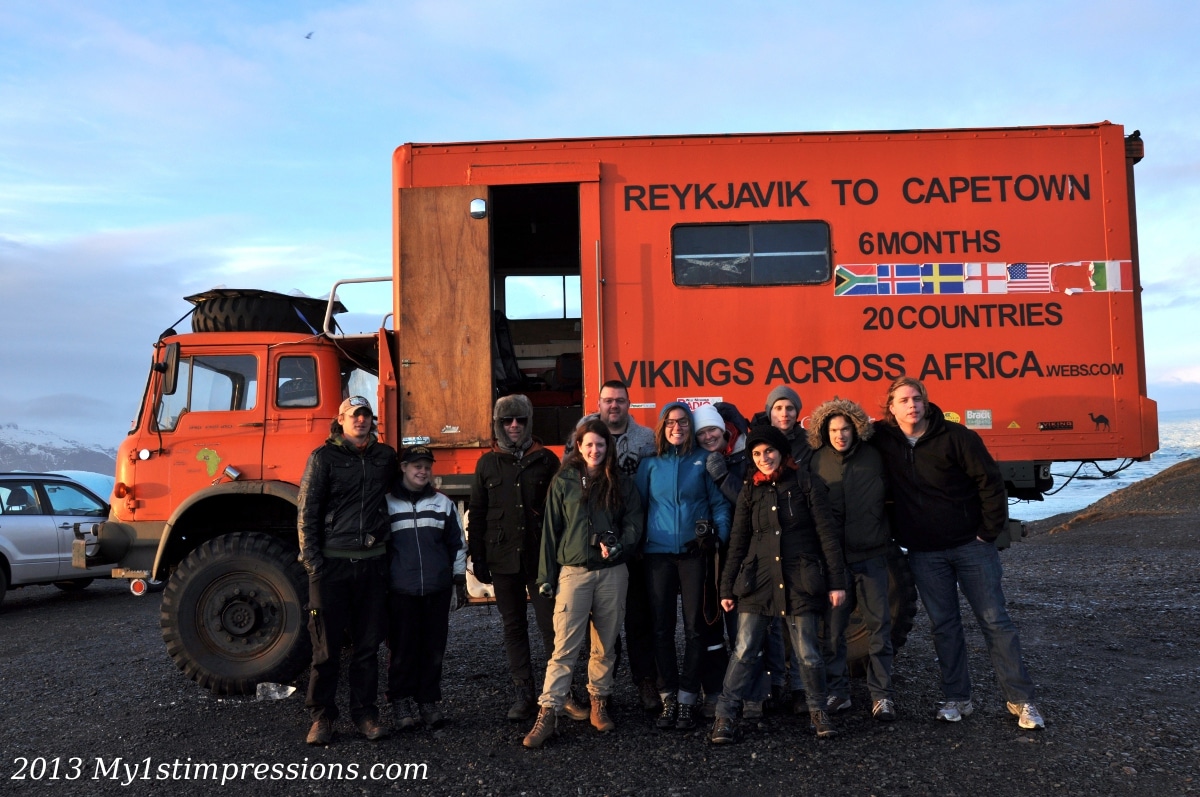
The dream of crossing continents doesn’t begin with a single mile; it begins with a mindset of resilience. On January 6th, that dream finally hit the road. Our journey—an ambitious overland trek from the heart of the North Atlantic down toward the African continent—officially began in the dead of winter.
While part of our team is set to rendezvous with us in Malaga, Spain, the initial crew started in the rugged landscape of Iceland. Starting an overlanding trip of this magnitude in January presents unique challenges, from frozen fuel lines to limited daylight, but it also offers some of the most breathtaking, solitary landscapes on the planet.
The Frozen Beauty of Iceland’s Southern Coast
Leaving Reykjavik in early January means bracing for the cold, but the rewards are immediate. Our first few days were spent navigating the southern coast. This stretch of road is legendary among travelers, yet in the winter, it takes on a quiet, primordial power that most tourists never see.
One of our first major stops was the iconic Seljalandsfoss waterfall. Even in the freezing temperatures, the sight of the water plunging over the cliffs—the very spot captured in our latest photos—is a reminder of why we choose this lifestyle. From there, we pushed eastward toward Höfn, a small fishing town that serves as the gateway to some of the country’s most spectacular ice features.
No trip through Southeast Iceland is complete without visiting the Jökulsárlón Glacier Lagoon. Watching massive icebergs drift toward the Atlantic is a humbling experience. Seeing these “Glacier Rocks” through the eyes of a new travel crew reminds you that happiness isn’t tied to comfort; it’s built through these shared, awe-inspiring moments.
Sailing East: From Egilsstaðir to the North Atlantic
After soaking in the glaciers, we headed to Egilsstaðir on the east coast. This was a pivotal moment in our transition from the familiar volcanic soil of Iceland to the rolling swells of the North Atlantic.
Saying goodbye to the Icelandic coastline was bittersweet, but the excitement of the unknown kept our spirits high. As we sailed away from the fjords, the reality of the journey ahead began to sink in. We were no longer just weekend travelers; we were a crew committed to a transcontinental path.
The Faroe Islands: Europe’s Best-Kept Secret
If Iceland is a land of fire and ice, the Faroe Islands are a land of mist and emerald cliffs. Located halfway between Norway and Iceland, this archipelago is one of the least-known yet most authentic destinations in Northern Europe.
It is difficult to believe that a place this wild and beautiful has remained largely unchecked by modern mass tourism. The Faroe Islands look like the primordial fruit of creation. Here, man is but an invisible dot amidst the sublime beauty of nature. The small villages and the harbor of Tórshavn don’t disrupt the landscape; they seem to melt into it, with grass-roofed houses and colorful harbors that feel like they belong to another century.
Walking through these islands, I felt a sense of “touching the infinity.” When you stand on a cliffside with nothing but the wind and the crashing waves of the North Atlantic below, your perspective shifts entirely.
Lessons from the Edge of the World
Traveling through the North Atlantic in winter is the perfect proving ground for any long-term traveler. It teaches you:
- The importance of gear prep: Winter will find the weakness in any vehicle or clothing.
- Flexibility: Ferry schedules and mountain passes are dictated by the weather, not your calendar.
- Appreciation for the simple things: A warm cup of coffee in a quiet Faroese village feels like a luxury after a day in the wind.
What’s Next?
This is only the beginning. As we move south toward the heat of Spain and eventually the diverse landscapes of Africa, we carry the lessons of the North with us. We are moving forward, grounded and focused on what truly matters: the experience of the road.


During the past years I travelled quite often, filling my journal with the impressions gathered in each place I visited. And for every page, there were also pictures about my destinations. I love photography because it allows you to share with other people what you see with your eyes, and whenever I can I do the same through my blog my1stimpressions.com.
