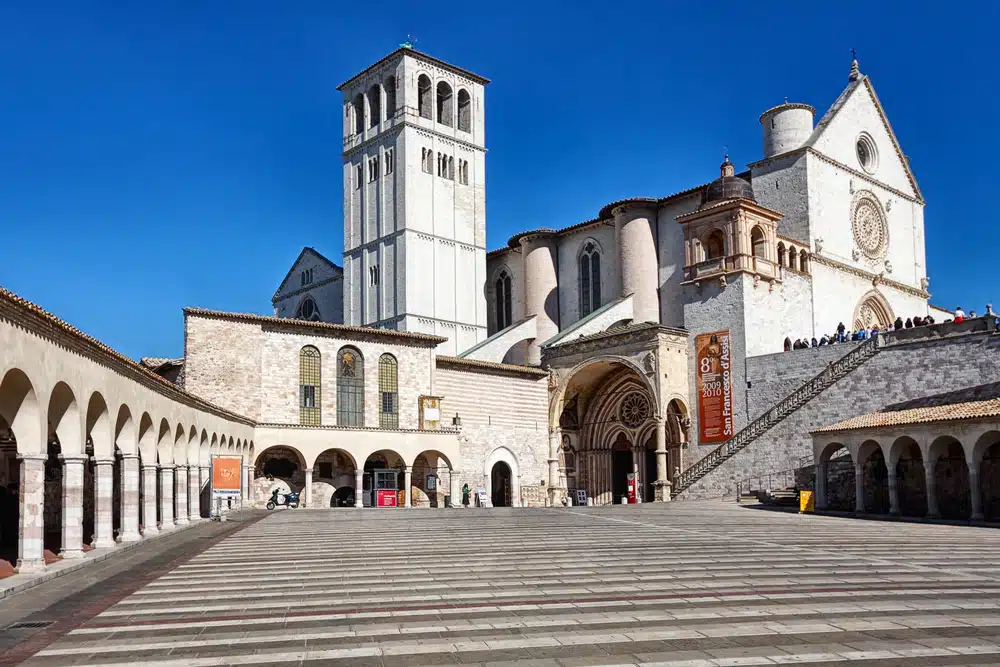
Growing up in Italy, I’ve always believed that the true soul of my country isn’t found in crammed tour buses or endless lines outside major sights, but along the quiet paths that wind through our countryside, villages, and ancient hills. There is something deeply grounding about discovering Italy at a human pace. In fact, after sharing three scenic pilgrimage routes to Rome that step off the typical tourist trail, I wanted to explore even further into the heart of authentic Italian travel…
Table of contents
- Step One: Why Should Rome Anchor the Trip?
- Step Two: What Makes Assisi Worth the Journey?
- Step Three: Which Additional Shrines Fit Your Intentions?
- Step Four: How Can You Pace the Itinerary?
- Step Five: When Is the Best Time to Go?
- Which Practical Details Do Pilgrims Often Miss?
- Frequently Asked Questions
- Final Word: The Journey Ahead
Step One: Why Should Rome Anchor the Trip?
Nearly every Italian pilgrimage begins in Rome, and for good reason. St. Peter’s Basilica stands over the traditional burial place of the apostle Peter, and the Scavi tour beneath the basilica takes small groups through the ancient necropolis to the area of his tomb. Places on that tour are limited, so it should be requested well before departure.
Beyond St. Peter’s, Rome’s other three major papal basilicas complete a classic circuit: St. John Lateran, the cathedral of Rome; St. Mary Major, with its ancient Marian icon; and St. Paul Outside the Walls, built over the apostle Paul’s tomb. If the Holy Father is in Rome, the Wednesday general audience is free to attend, though tickets must be arranged through the Prefecture of the Papal Household.
Plan at least three full days in Rome. Anything less tends to turn prayer into a race between ticket lines.
Step Two: What Makes Assisi Worth the Journey?
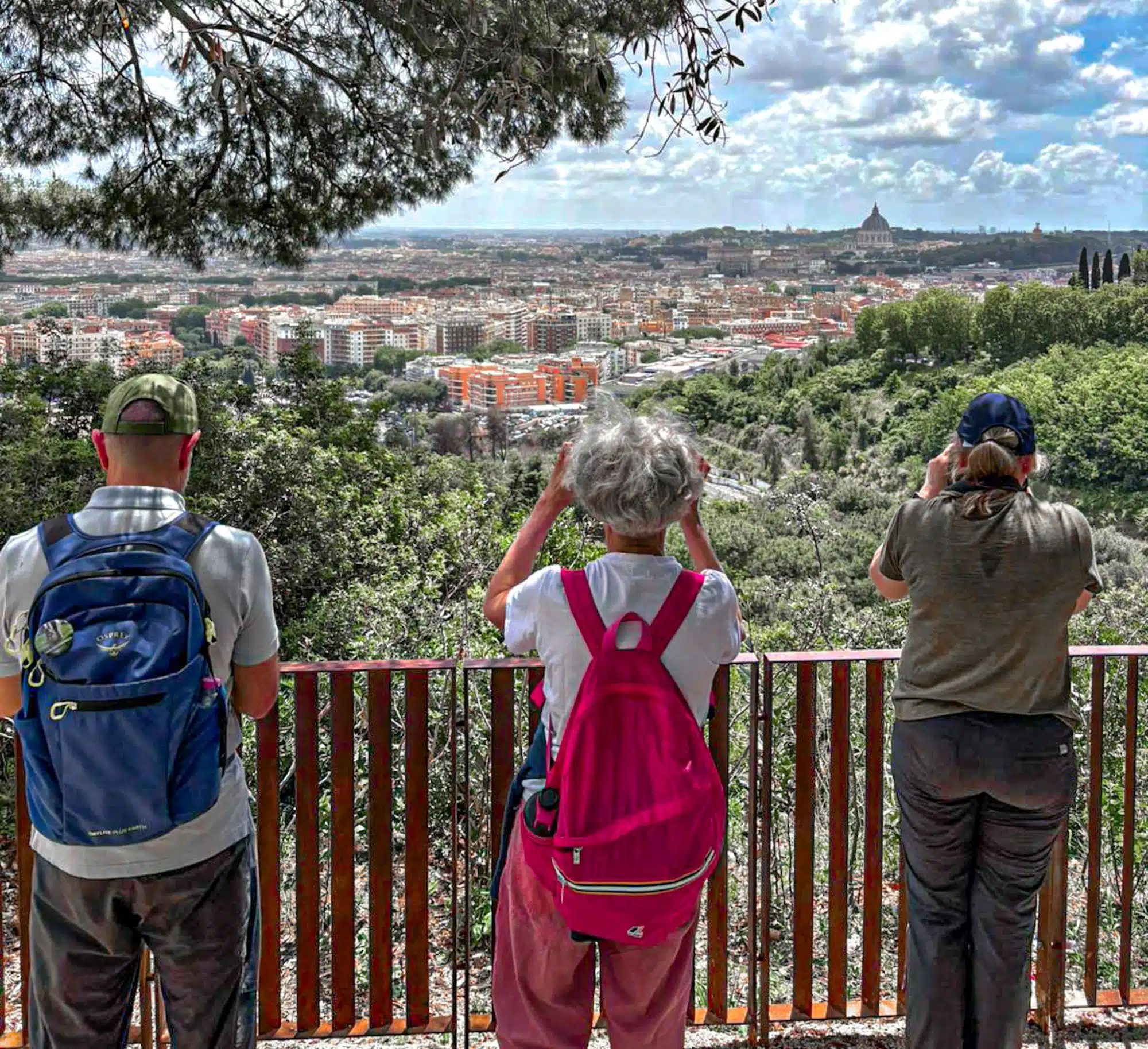
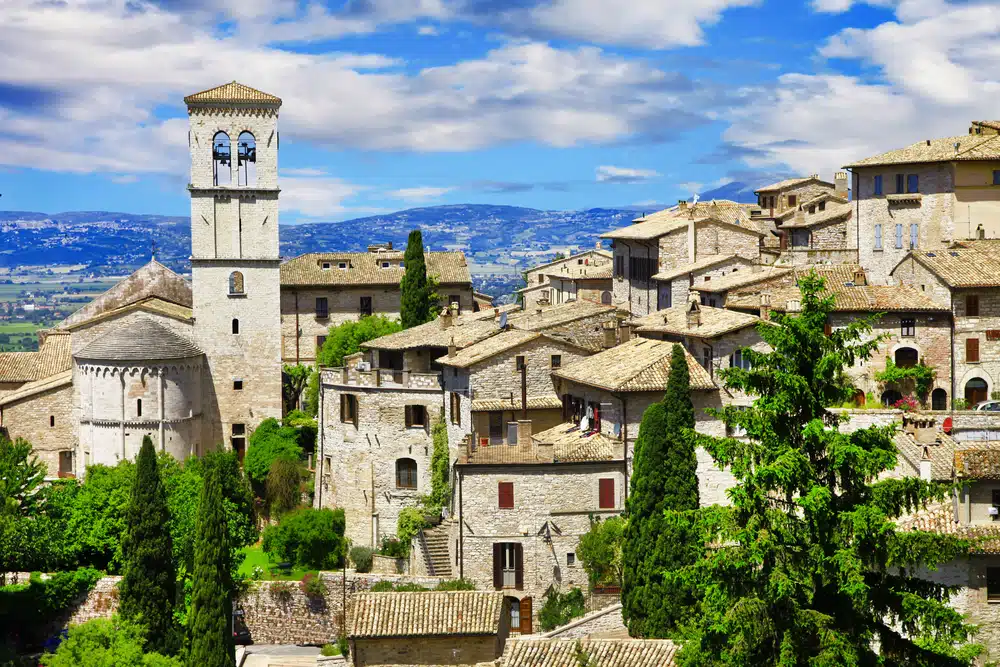
Assisi sits about two hours north of Rome by road, and its quiet hills feel worlds away from the capital. The Basilica of St. Francis, with its upper and lower churches, holds the saint’s tomb. Nearby, the Basilica of St. Clare preserves the San Damiano Cross, the crucifix before which Francis heard the call to “rebuild my Church.”
Assisi has gained another draw in recent years. St. Carlo Acutis, the young Italian who documented Eucharistic miracles online and was canonized in 2025, is buried at the Sanctuary of the Spoliation in the town center. Many younger pilgrims and families now plan their visit around his tomb.
Step Three: Which Additional Shrines Fit Your Intentions?
This is where personal devotion shapes the route. Planning Catholic pilgrimages to Italy around a specific saint or theme keeps the journey focused. A few common additions:
- San Giovanni Rotondo in Puglia, home of the shrine of St. Padre Pio, suits those devoted to the Capuchin friar.
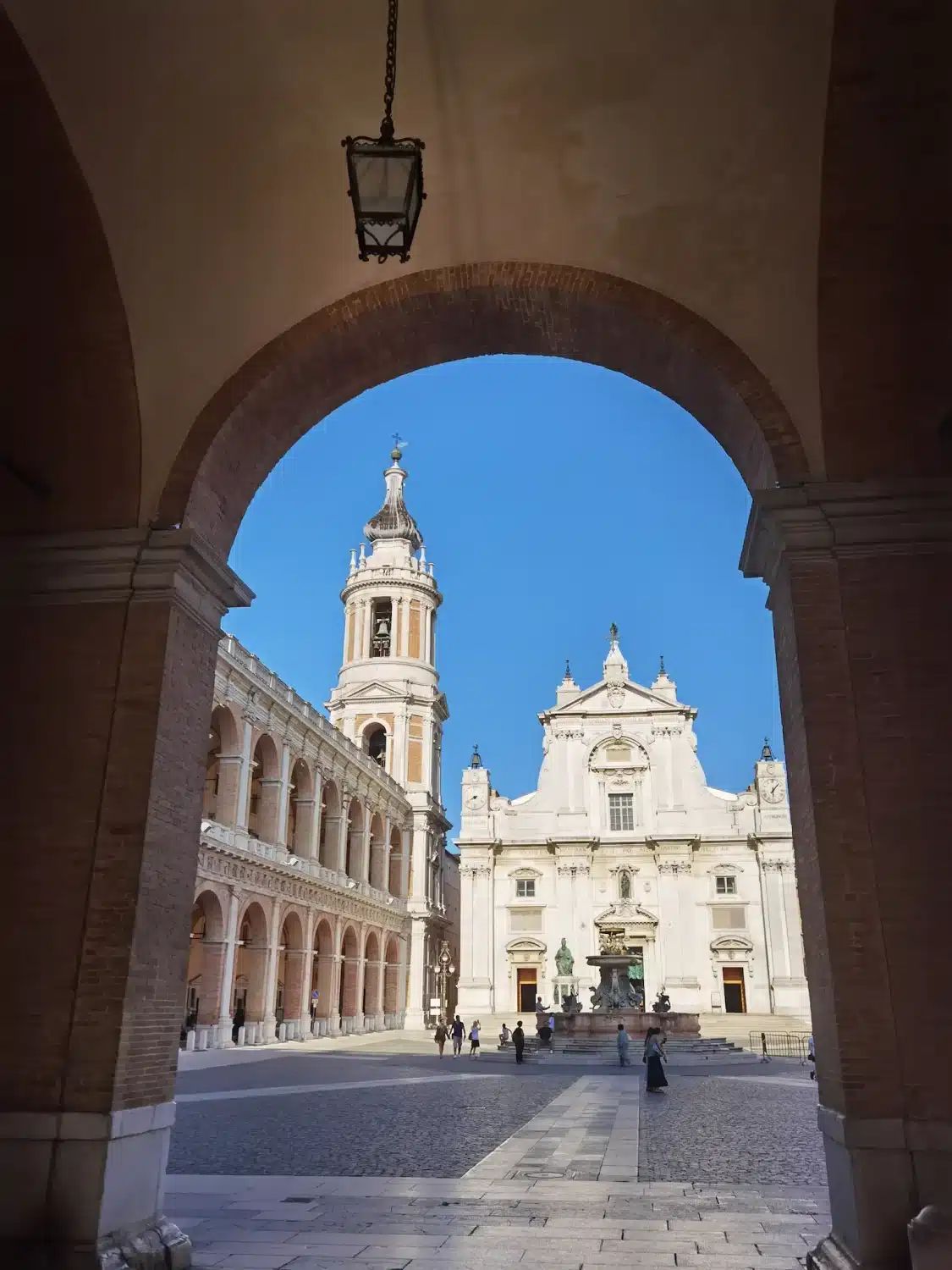
- Loreto, on the Adriatic coast, holds the Holy House traditionally venerated as the home of the Holy Family.
- Padua draws pilgrims to the Basilica of St. Anthony, patron of lost things.
- Orvieto connects to the Eucharistic miracle of Bolsena and the origins of the feast of Corpus Christi.
- Siena offers the sanctuary of St. Catherine, a Doctor of the Church.
Most organized itineraries run between eight and twelve days, which comfortably allows Rome, Assisi, and one or two other stops.
Step Four: How Can You Pace the Itinerary?
The sample route below shows how a balanced ten-day pilgrimage might flow.
| Days | Location | Spiritual focus |
| 1 to 4 | Rome | Papal basilicas, Scavi tour, general audience |
| 5 to 6 | Assisi | St. Francis, St. Clare, St. Carlo Acutis |
| 7 | Loreto | The Holy House and Marian devotion |
| 8 | Orvieto | Eucharistic devotion and Corpus Christi |
| 9 to 10 | Return to Rome | Closing Mass and departure |
Notice the built-in breathing room, and the route that loops logically rather than zigzagging. Pilgrims devoted to Padre Pio often add San Giovanni Rotondo as a separate southern leg. Travel days between regions are long, and pilgrims need time for Mass, Confession and quiet reflection, not just sightseeing.
Step Five: When Is the Best Time to Go?
Spring and autumn usually bring the most comfortable weather. Summer heat can be intense, especially in August, when many Italians take holidays and some shops close around the Feast of the Assumption. Winter offers smaller crowds but shorter days and occasional closures. If you hope to attend a major feast, such as St. Francis on October 4 in Assisi, book early.
Which Practical Details Do Pilgrims Often Miss?
Basilicas enforce modest dress, so pack clothing that covers shoulders and knees. Comfortable walking shoes matter more than you expect, since cobblestones and hill towns test every step. Travel insurance, copies of your passport, and a small notebook for prayer intentions round out the list.
Group pilgrimages simplify much of this. Experienced pilgrimage organizers typically arrange daily Mass, licensed guides, and private transportation, which removes the logistical stress that often distracts independent travelers.
Frequently Asked Questions
How far in advance should I plan?
Six to twelve months is ideal, especially for group trips or travel during major feasts.
Can I attend daily Mass in English?
Yes. Many Roman churches offer English Masses, and group pilgrimages usually include Mass with an accompanying priest.
Is Italy suitable for older pilgrims?
Generally yes, with thoughtful pacing. Hill towns like Assisi involve slopes, so discuss mobility needs before booking.
Final Word: The Journey Ahead
For me, showing travelers the side of Italy I’ve known and loved my whole life is what travel writing is all about. Stepping away from the crowded highlights isn’t just about avoiding lines—it’s about creating space for unexpected encounters, quiet moments, and genuine local hospitality. Whether you’re lacing up your boots for a long trail or simply taking the scenic route through a quiet hilltop town, I hope this guide helps you experience my home country in a way that stays with you long after you return. Also read my guide The Via Francigena: Italy’s Ancient Pilgrimage Route if you plan more walks in Italy. Safe travels, or as we say back home, buon viaggio!

Lived in England since 1998 and travelled the world since 2005, visiting over 100 countries on 5 continents. Writer, blogger, photographer with a passion for adventure and travel, discovering those off beat places not yet on the tourist trail. Marco contributes the very best in independent travel tips and lifestyle articles.
