
Most people who visit South Korea spend almost all their time in Seoul. I understand why. I lived in Korea for a year as an exchange student, and Seoul was my home. But whenever friends ask me where they should go after Seoul, my answer is always the same: take the train south to Busan. I have been there three times now, and every visit made me like the city more.
Busan is Korea’s second-largest city, and it feels completely different from the capital. It is a vibrant port city wrapped around beaches, mountains and fishing harbours. People are more direct, the food is saltier and fresher, and in the evening you can sit on the sand with the lights of a giant bridge in front of you. It is also a city that only makes sense once you understand its neighbourhoods, because Busan is spread out along the coast and each area has its own personality.
Busan is also one of the best shopping cities in Korea, which surprises many visitors who expect that only in Seoul. In this first-timer’s guide, I start with the city centre and its shopping streets, then take you through the neighbourhoods in Busan I recommend most, what each one feels like, what to do there and where it fits in a first trip.
Busan at a glance:
- Getting there: the KTX high-speed train from Seoul takes around two and a half hours to Busan Station.
- Getting around: the Busan Metro covers most areas. A T-money card works on the metro, buses and in convenience stores.
- How long to stay: three to four days is enough for a first visit.
- Best seasons: spring and autumn for walking; summer for the beaches, but expect crowds.
Table of contents
- Seomyeon: Shopping, Food and Busan’s City Centre
- Gwangalli: The Best Base for a First Visit
- Haeundae: Busan’s Famous Beach
- Gijang: Haedong Yonggungsa, the Temple by the Sea
- Gamcheon Culture Village: Colour on the Hillside
- Nampo and Jagalchi: Old Busan, Markets and Street Food
- What to Eat in Busan
- A Simple Three-Day Busan Itinerary
- Practical Tips for Visiting Busan
- Is Busan Worth Visiting?
Seomyeon: Shopping, Food and Busan’s City Centre
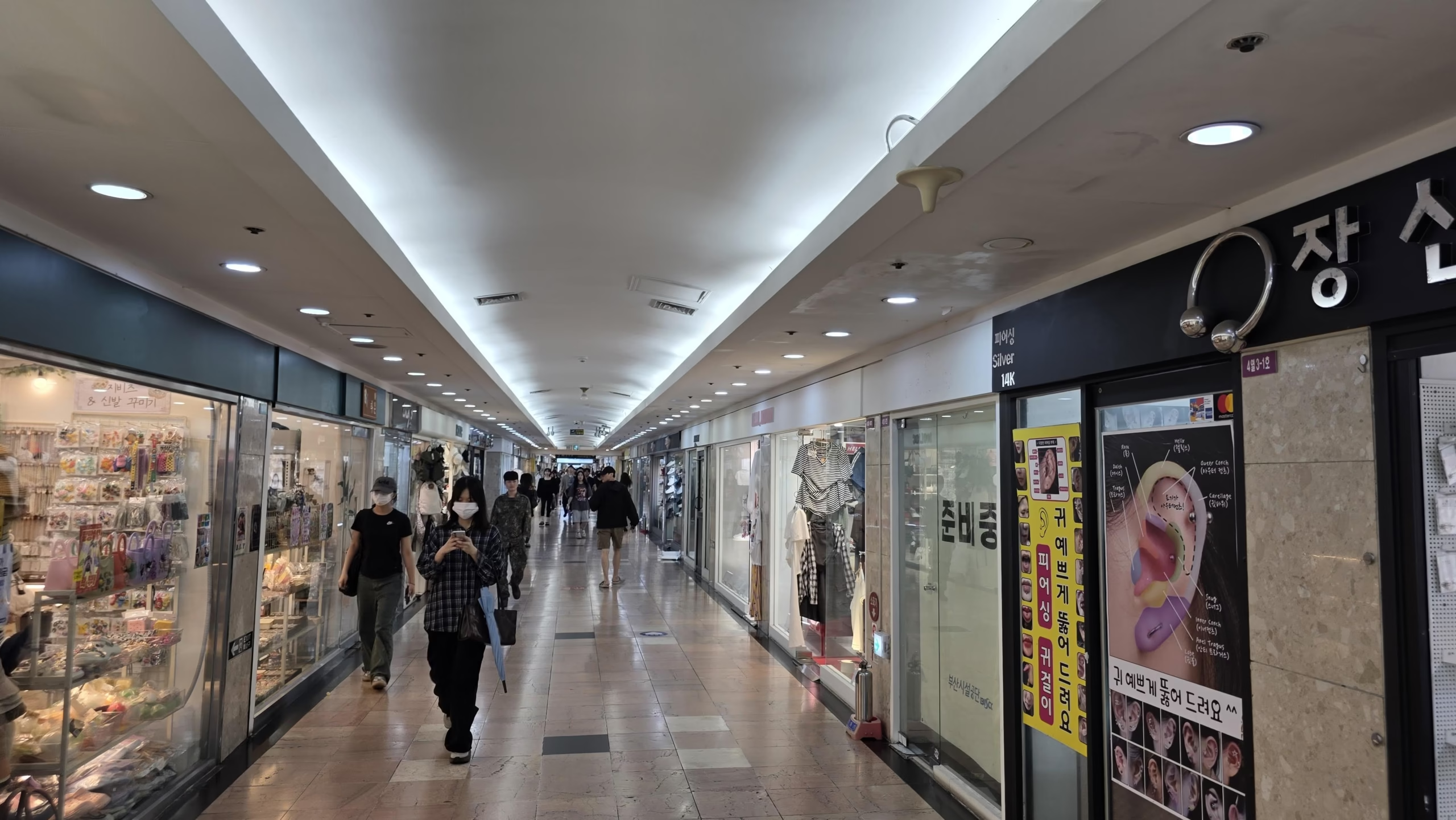
Seomyeon is Busan’s bustling downtown. Two metro lines meet here, and the area is packed with department stores, Korean fashion brands, beauty shops, restaurants and nightlife. Below the streets runs a long underground shopping arcade where you can find cheap clothes and accessories, and above ground the side streets are full of barbecue restaurants and cafes. If shopping is part of your trip, I put together a detailed guide to shopping in Seomyeon, including which arcades and brands are worth your time.
One practical tip from experience: if you plan to shop, ask about the tax refund for tourists before you pay, and keep your passport with you. Rules and how strictly they are applied can differ between stores, so it is worth checking every time.
Gwangalli: The Best Base for a First Visit
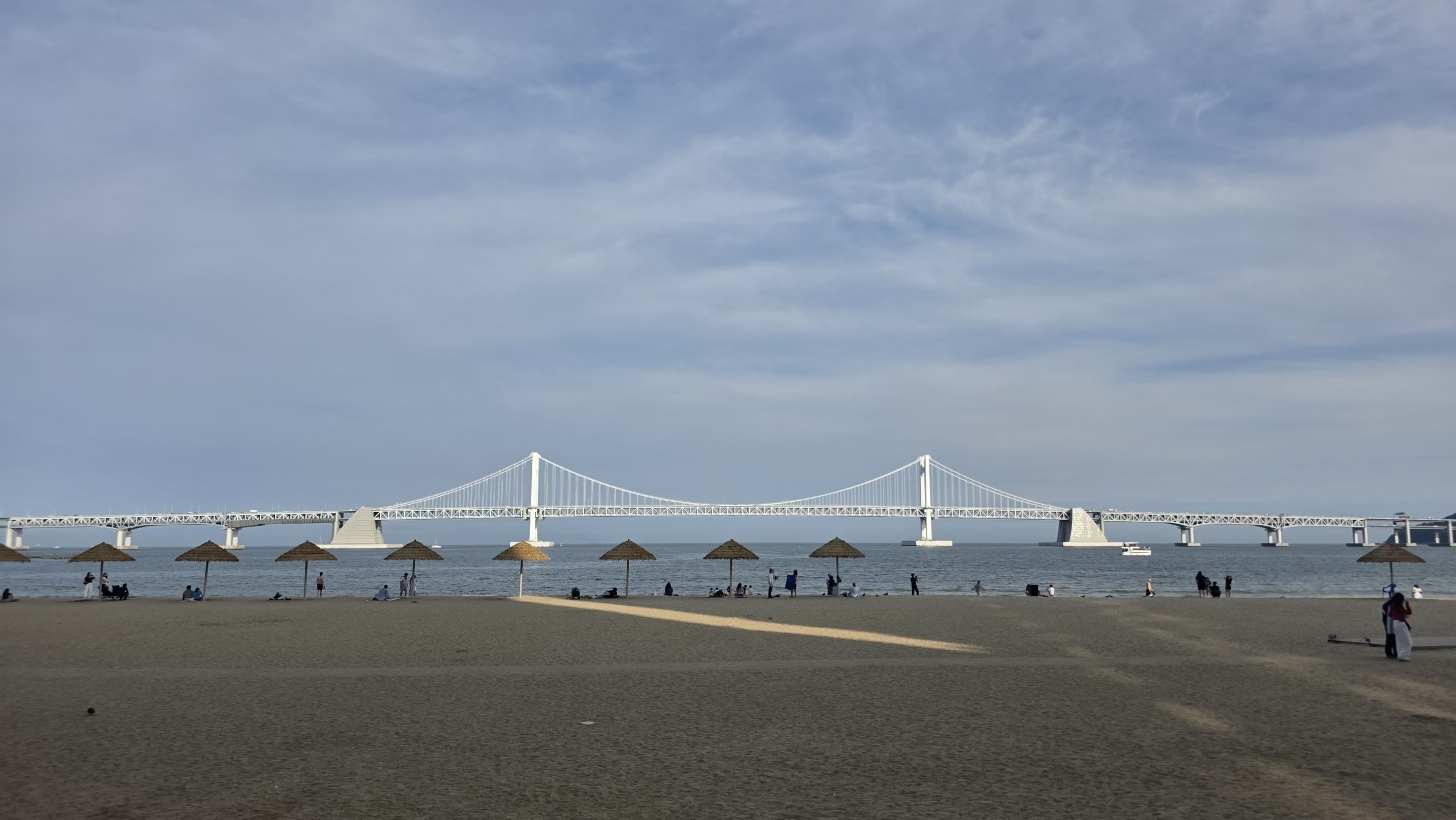
If I had to choose one place to stay in Busan, it would be Gwangalli Beach. The beach faces the Gwangan Bridge, a huge suspension bridge that lights up in changing colours every night. The promenade is lined with cafes, bars and restaurants, and it has a more local feel than the more famous Haeundae a few stops away.
What I love most about Gwangalli is the evening atmosphere. People sit on the sand with a beer, couples walk along the water, and on some evenings there are drone light shows over the bay. It is lively but never chaotic, and you can walk back to your hotel after dinner.
Eat at the fish market by the beach
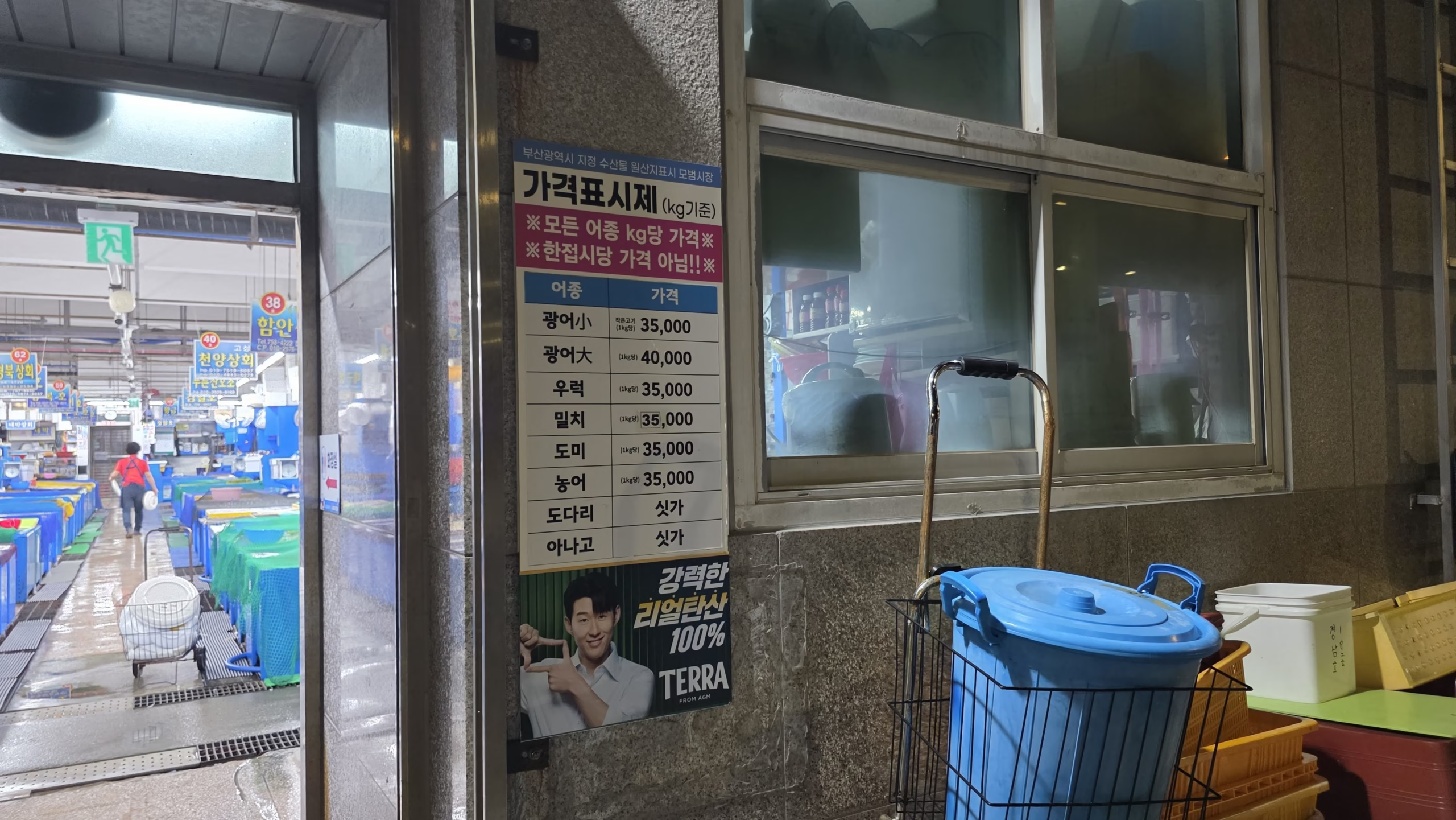
Right at the edge of the beach sits the Gwangalli fish market, and it was one of the most memorable meals of my time in Korea. The system is simple: you pick your fish downstairs, pay by weight, and the restaurant upstairs prepares it as raw sashimi-style hoe or cooked into a spicy soup. On our visit, flounder cost about 35,000 to 40,000 won per kilogram, and squid, sea bream and bass were in a similar range. We were still eating at ten in the evening on a weeknight, and the place was full of locals.
Haeundae: Busan’s Famous Beach
Haeundae Beach is the stretch of sand you see on every postcard of Busan. It is longer and busier than Gwangalli, with high-rise hotels behind it and a big summer crowd. If you want the classic beach-city experience, come here for an afternoon.
From Haeundae you can walk to the Haeundae Blueline Park, where a small coastal train and colourful sky capsules run along the old railway line between Mipo and Songjeong. It is touristy, but the views of the coastline are excellent, especially in the late afternoon.
Gijang: Haedong Yonggungsa, the Temple by the Sea
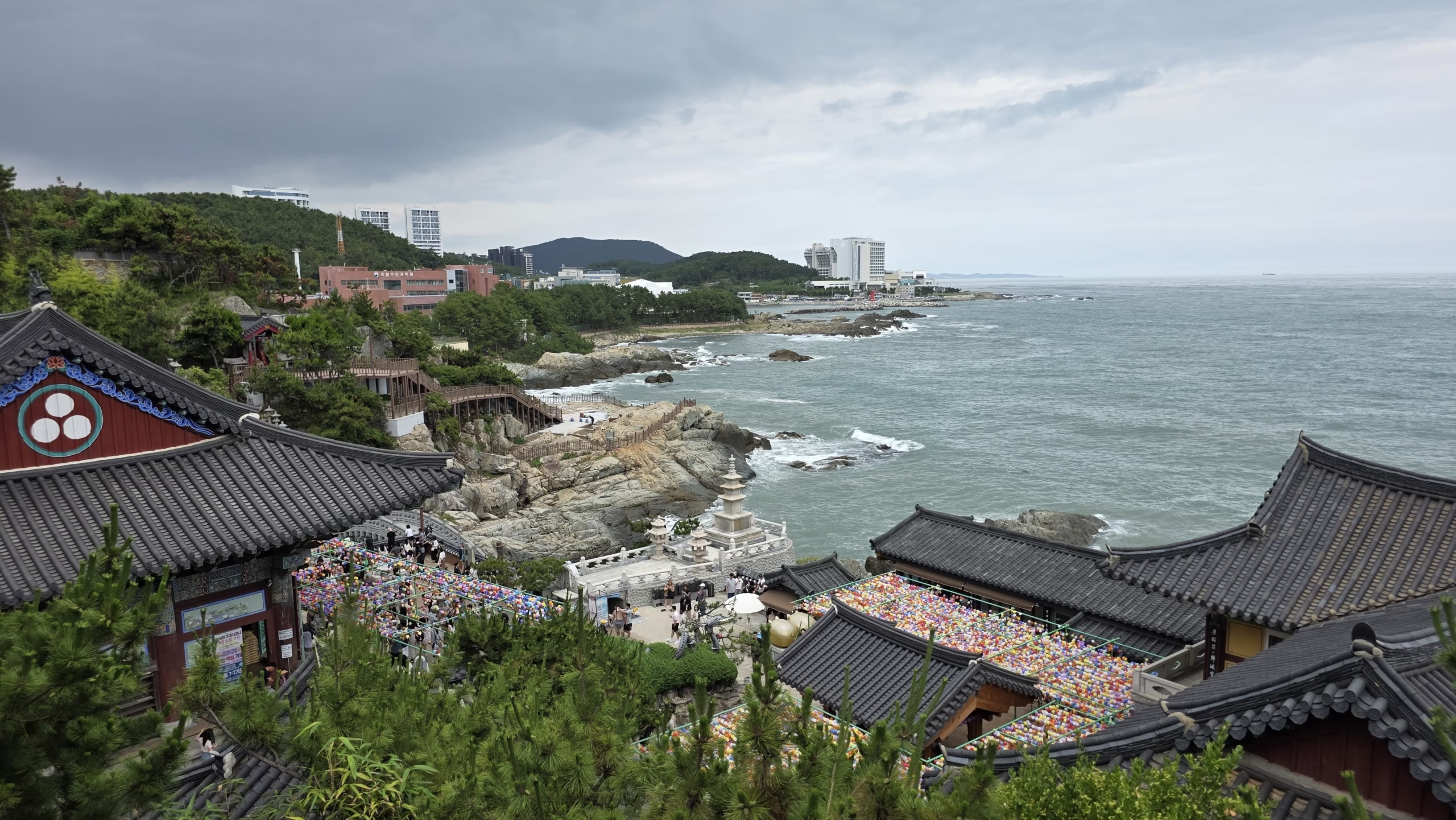
Most Korean temples are hidden in the mountains. Haedong Yonggungsa is uniquely built on the rocky coastline in the Gijang district, with waves crashing just below the pavilions. Its history goes back to the 14th century, and the combination of temple roofs, stone lanterns and open sea makes it one of the most photogenic places in Korea.
Go early in the morning if you can. Later in the day the narrow paths fill with tour groups. Gijang is also home to Lotte World Busan and large outlet malls, so you can combine the temple with a family day or some shopping in the same area.
Gamcheon Culture Village: Colour on the Hillside
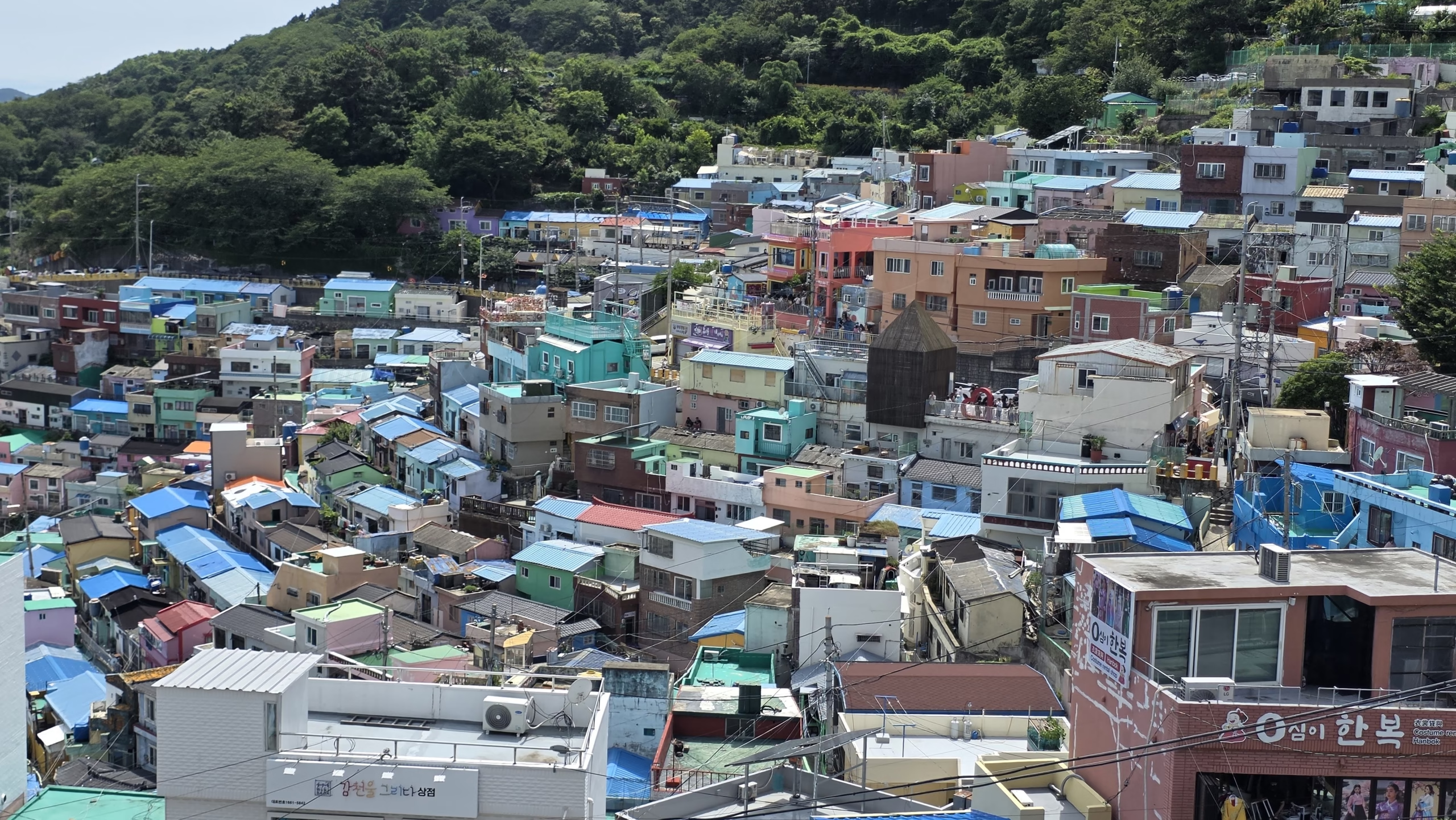
Gamcheon Culture Village is a maze of pastel houses stacked on a steep hillside. It began as a refugee settlement during the Korean War, and later artists and residents turned it into an open-air gallery with vibrant murals, small art studios and rooftop cafes.
Follow the painted fish signs on the walls to find the main route, and look for the famous Little Prince statue looking out over the rooftops. Remember that people still live here. Keep your voice down, do not walk into private alleys and be respectful with photos of local homes.
Nampo and Jagalchi: Old Busan, Markets and Street Food
The Nampo area near the old port is where Busan feels most like a traditional market city. Jagalchi Fish Market is Korea’s largest seafood market, and walking through it is an unforgettable experience even if you do not buy anything: tanks full of crabs, octopus and fresh fish, and vendors calling out to every passer-by.
Next door, BIFF Square, named after the Busan International Film Festival, is famous for its incredible street food. Try ssiat hotteok, a sweet pancake filled with brown sugar and seeds. The covered alleys of Gukje Market sell almost anything, from kitchenware to second-hand clothes. From Nampo it is also easy to continue to the coastal cliffs of Taejongdae on Yeongdo Island.
What to Eat in Busan
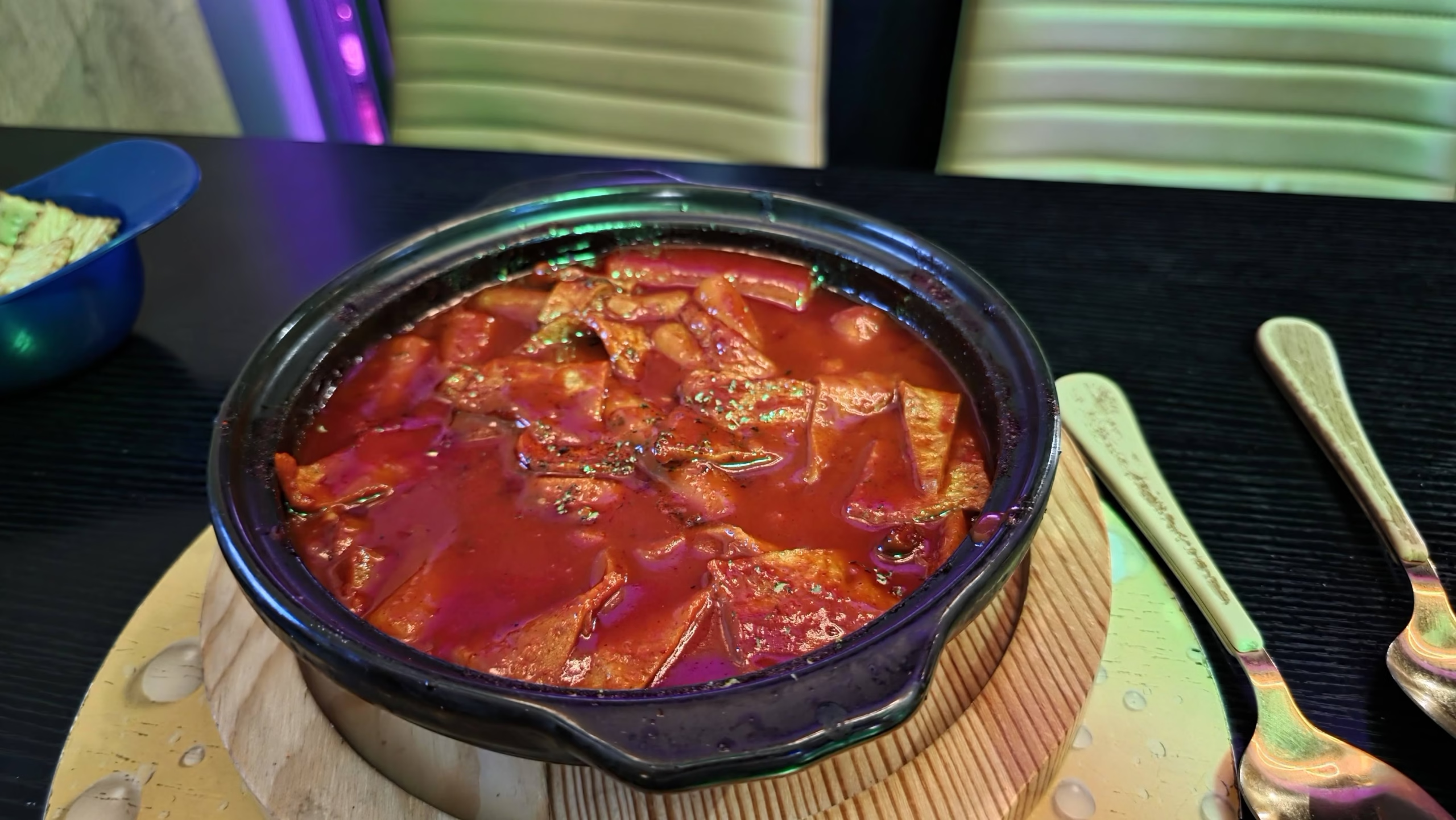
Busan has a distinct regional food culture, heavily shaped by the sea and by the refugees who arrived during the Korean War. These are the traditional Busan dishes I would not leave without trying:
- Hoe: Fresh raw fish, eaten with lettuce, garlic and chilli sauce (Where to try: Gwangalli fish market, Jagalchi)
- Dwaeji gukbap: Rich pork and rice soup, Busan’s signature comfort food (Where to try: Small restaurants all over the city, especially around Seomyeon)
- Milmyeon: Cold wheat noodles in an icy broth, perfect in summer (Where to try: Local noodle shops)
- Eomuk: Fish cakes, a Busan speciality, often sold on skewers in hot broth (Where to try: Street stalls and markets)
- Ssiat hotteok: Sweet pancake filled with brown sugar and seeds (Where to try: BIFF Square in Nampo)
A Simple Three-Day Busan Itinerary
- Day 1
- Morning: Arrive by KTX, check in at Gwangalli
- Afternoon: Haeundae Beach and Blueline Park
- Evening: Fish market and the bridge lights in Gwangalli
- Day 2
- Morning: Haedong Yonggungsa early
- Afternoon: Gamcheon Culture Village
- Evening: Street food in Nampo and BIFF Square
- Day 3
- Morning: Jagalchi Fish Market and Gukje Market
- Afternoon: Shopping in Seomyeon
- Evening: Korean barbecue in Seomyeon, then KTX back
Practical Tips for Visiting Busan
- Get a T-money card at a convenience store and top it up. It works seamlessly on the metro and city buses.
- Plan by area. Busan is large and stretched along the coast. Group sights that are close together instead of crossing the city several times a day.
- Download a Korean map app. Naver Map and Kakao Map work much better in South Korea than Google Maps for walking and public transport directions.
- Bring cash for markets. Cards are accepted almost everywhere, but small market stalls are easier with cash.
- Avoid peak summer weekends at Haeundae if you do not like crowds. Gwangalli and the coastal walks are much calmer.
Is Busan Worth Visiting?
Absolutely. Seoul shows you modern Korea at full speed, but Busan shows you a city that lives in harmony with the sea: beach evenings, bustling fish markets, temples on the rocks and neighbourhoods built on steep hills. If you have a week in Korea, give Busan at least three days. You will leave with a very different and much richer picture of the country. And you are planning a broader journey across the continent, be sure to read the post important things to consider when traveling to Asia for essential tips on logistics, culture, and money.
About the author: Max is a Swiss travel blogger who has lived in South Korea and Japan. He spent a year in Korea as an exchange student and three years in Tokyo studying at Waseda University, and now lives in Switzerland. On Max on the Move he writes practical, first-hand guides to Japan, Korea and Europe.

Lived in England since 1998 and travelled the world since 2005, visiting over 100 countries on 5 continents. Writer, blogger, photographer with a passion for adventure and travel, discovering those off beat places not yet on the tourist trail. Marco contributes the very best in independent travel tips and lifestyle articles.
